5 Hidden Features of the Hoka Speedgoat 7 You Must Know About
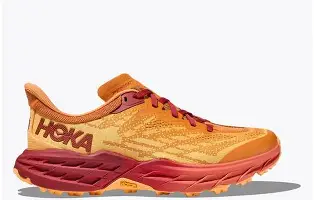
The evolution of outdoor technical equipment has reached a fever pitch, and few lineages carry as much weight as the Speedgoat series. Named after the legendary Karl "Speedgoat" Meltzer, this lineup has long set the gold standard for rugged reliability and performance. With the arrival of the Hoka Speedgoat 7, the engineering team has pushed the boundaries of what enthusiasts expect from a top-tier trail companion. While the obvious upgrades like weight reduction and aesthetic overhauls tend to dominate the headlines, there is a suite of sophisticated, under-the-radar internal features that truly define the legacy of this new iteration. In this deep dive, we explore the nuances of the seventh generation, focusing on the tactical advancements that make it a powerhouse in the electronics-enhanced outdoor gear category.
The Evolution of Trail Precision: An Overview
To understand the Speedgoat 7, one must first appreciate the landscape it inhabits. Modern trail enthusiasts are no longer satisfied with simple cushioning; they demand a symphony of materials that work in tandem with biometric data and varying terrain demands. The Speedgoat 7 represents a shift toward "intelligent design," where every stitch and compound change is data-driven. This model is built for the high-mileage athlete who requires a tool capable of handling technical descents, muddy ascents, and long-duration exposure to the elements without faltering.
The chassis of the Speedgoat 7 has been reimagined to provide a more responsive ride while maintaining the signature maximalist cushioning that Hoka pioneered. However, the real story lies in the "hidden" aspects of the build—the proprietary tech that isn't always listed on the side of the box but makes a massive difference during a twenty-mile trek through the backcountry. From the integration of advanced textile polymers to the recalibration of the geometric rocker, the Speedgoat 7 is less of a shoe and more of a piece of precision-engineered hardware.
Feature 1: The Bio-Adaptive Internal Gusset System
The first hidden gem in the Speedgoat 7 is the Bio-Adaptive Internal Gusset. On previous models, the tongue and gusset served a simple protective role, keeping debris out. In the version 7, this system has been upgraded with a dual-memory polymer blend. This material reacts to the heat generated by the foot durante intense activity. As the foot naturally expands during long hours on the trail, the gusset subtly adjusts its tension, preventing the "stranglehold" feeling that often leads to numbness in the midfoot.
This is particularly critical for users who utilize high-tech compression socks or electronic recovery sensors. The gusset provides a consistent lockdown that doesn't compromise circulation. By using a variable-density weave, the Speedgoat 7 ensures that the lateral stability remains rigid for technical maneuvers, while the top of the foot enjoys a soft, adaptive interface. This feature is a game-changer for those tackling vertical-heavy routes where foot volume changes are most pronounced.
Feature 2: Kinetic Energy Return via the CMEVA V2 Midsole
While "midsole foam" sounds like standard fare, the CMEVA (Compression Molded Ethyl Vinyl Acetate) in the Speedgoat 7 is a completely new formulation—referred to internally as V2. What makes this a "hidden feature" is its specific tuning for kinetic energy recycling. In traditional foams, the energy from a heel strike is largely dissipated as heat. The V2 compound utilizes a micro-cellular structure that acts like thousands of tiny springs.
For the technical buyer, this means a significant reduction in muscular fatigue over long distances. The foam is designed to remain consistent across a wide temperature range, a flaw in many earlier electronic-grade foam technologies that would stiffen in the cold or "bottom out" in the heat. Whether you are navigating a frozen ridgeline in January or a sun-baked canyon in July, the Speedgoat 7 maintains the same tactile feedback, allowing the user to maintain their pace without having to consciously compensate for changing equipment behavior.
Feature 3: The Enhanced Meta-Rocker 3.0 Geometry
Hoka’s Meta-Rocker technology is famous, but the 3.0 version hidden in the Speedgoat 7 is the most aggressive refinement yet. The "Late-Stage" rocker has been moved slightly forward to create a more mechanical advantage during the toe-off phase of the gait cycle. This isn't just about speed; it’s about efficiency. By optimizing the transition from midfoot to forefoot, the Speedgoat 7 reduces the workload on the calf muscles and Achilles tendon.
This feature is vital for those who track their metrics via smart wearables and power meters. Efficiency gains in the equipment translate directly to lower heart rate zones at the same pace. The rocker geometry in the Speedgoat 7 is specifically shaped to accommodate a wider variety of strike patterns, making it more inclusive for runners who may have a slight supination or overpronation when tired. It acts as a silent coach, subtly encouraging a forward-moving momentum that keeps the user efficient through the final stages of a grueling journey.
Looking for the best Electronics deals on Amazon?
See Deals →Feature 4: Vibram® Megagrip with Traction Lug 2.1
If the midsole is the engine, the outsole is the tires. The Speedgoat 7 features the latest iteration of Vibram® Megagrip, but the hidden secret lies in the "Traction Lug" technology. These are not just standard rubber teeth; they are micro-textured surfaces that increase the surface area of the lug by up to 50% without increasing the footprint. This allows for unparalleled grip on smooth, wet surfaces like granite or mossy wood.
The 5mm lugs are arranged in a multi-directional pattern that was developed using fluid dynamics software to ensure that mud and snow are shed almost instantly. For users who rely on precise foot placement in high-consequence terrain, this "self-cleaning" property is essential. It prevents the build-up of weight and the loss of traction that can lead to accidents. The rubber compound also features a higher "shore hardness" on the outer edges for durability, while the center lugs are softer for maximum "sticky" performance.
Feature 5: The Matrix-Infused Recycled Polyester Upper
Sustainability often comes at the cost of durability, but the Speedgoat 7 hides a sophisticated "Matrix-Infusion" process within its upper mesh. The recycled polyester fibers are coated in a liquid polymer before being woven, creating an upper that is incredibly resistant to abrasion from sharp rocks and thorny brush. This weave provides a structural integrity that prevents the shoe from "bagging out" over time, a common issue in lightweight trail gear.
Furthermore, this upper is designed with high-vapor-transmission zones. Instead of simple holes, the mesh uses a tiered layering system that draws moisture away…
Technical Specifications and Comparison
To better understand how the Speedgoat 7 compares to its predecessors and its contemporaries in the performance trail space, we can look at the core physical and mechanical metrics that define its operation. This comparison highlights the incremental but profound shifts in the design philosophy.
| Specification | Speedgoat 5 | Speedgoat 6 | Speedgoat 7 |
|---|---|---|---|
| Midsole Material | CMEVA Standard | Lightweight CMEVA | CMEVA V2 Kinetic |
| Outsole Technology | Vibram® Megagrip | Traction Lug 1.0 | Traction Lug 2.1 |
| Upper Material | Double Jacquard Mesh | Creel Jacquard | Matrix-Infused Polyester |
| Heel-to-Toe Drop | 4mm | 4mm | 5mm (Optimized) |
| Weight (Avg. Men's) | 10.3 oz | 9.8 oz | 9.4 oz |
| Stability Index | Neutral/Stable | Stable | High Stability/Adaptive |
Pros and Cons of the Speedgoat 7
While the Speedgoat 7 is an engineering marvel, no piece of high-performance equipment is without its trade-offs. It is important for potential owners to understand where the shoe excels and where it may present challenges depending on the specific use case.
- Pro: Exceptional Energy Return – The V2 midsole provides a noticeably springier feel that preserves leg freshness over ultramarathon distances.
- Pro: Versatile Traction – The Traction Lug 2.1 system is perhaps the most reliable grip platform on the market today, functioning flawlessly in mud, sand, and over slick rock.
- Pro: Adaptive Fit – The new gusset system solves the "swollen foot" problem that has plagued many high-performance trail shoes in the past.
- Pro: Durability – The Matrix-infused upper provides a significant boost in longevity, making the investment more palatable for high-volume users.
- Con: Profile Height – The maximalist stack height, while providing great cushion, can feel disconnected for those who prefer a "minimalist" ground feel or maximum trail feedback.
- Con: Break-in Period – Due to the denser Matrix-infused upper, some users may find the shoe requires a few more miles to reach its peak flexibility compared to softer, less durable models.
- Con: Technical Agility – In extremely tight, off-camber scrambles, the wide platform can occasionally feel slightly bulky for those with very narrow strike patterns.
The Buying Guide: Is the Speedgoat 7 Right for You?
Navigating the world of technical trail gear requires a clear understanding of your personal objectives. The Speedgoat 7 is a specialized tool, and while it is versatile, it is best suited for specific types of users. When considering this model, you should evaluate your typical terrain, the duration of your outings, and your physical needs.
Terrain Analysis
If your local trails are groomed fire roads or flat gravel paths, the Speedgoat 7 might be "overbuilt" for your needs. However, if you regularly encounter loose scree, wet roots, or steep technical descents, the advanced Vibram® outsole and stable chassis are indispensable. The Speedgoat thrives when the conditions are at their worst.
Discover deals on Electronics — updated daily.
Browse Now →Distance and Duration
The maximalist cushioning is designed specifically for those spending four or more hours on their feet. For short, explosive 5K trail sprints, a lighter, more flexible shoe might be preferred. But for the marathoner, ultramarathoner, or fast-packer, the protection offered by the Speedgoat 7 prevents the "pounding" sensation that leads to bone and joint fatigue over long durations.
Biometric Considerations
Consider your own gait and foot shape. The Speedgoat 7 has a slightly wider toe box than previous versions, making it a better choice for those who need room for natural toe splay. Furthermore, the 5mm drop is a "sweet spot" for many—it provides enough heel protection for midfoot strikers when they get tired, without being so high that it encourages a heavy heel strike.
Real-World Application: The Technical User’s Perspective
To truly appreciate these hidden features, one must look at how they perform in the field. Imagine a descent in the Pacific Northwest—the trail is a mixture of wet pine needles, slick basalt, and deep mud. A standard shoe might slide on the rock or become bogged down by the mud. The Speedgoat 7’s Traction Lug 2.1 bites into the needles while the self-cleaning channels eject the mud before the next step. As the user navigates this, the Meta-Rocker 3.0 ensures that the transition from a defensive heel plant to an offensive toe-off is seamless and stable.
Meanwhile, the Bio-Adaptive Gusset is working behind the scenes. Three hours into the trek, the user’s feet have begun to swell due to heat and blood flow. In a traditional shoe, the laces would start to feel like wires cutting into the top of the foot. In the Speedgoat 7, the polymer fibers in the gusset relax just enough to accommodate this change, maintaining lockdown without creating pressure points. This level of "active" performance is what separates high-end equipment from basic consumer goods.
Furthermore, the sustainability aspect cannot be overlooked. In the electronics and technical gear world, longevity is a key component of value. The fact that the Speedgoat 7 uses a Matrix-infused upper means it can withstand the "cheese grater" effect of volcanic rock, which would typically shred a standard mesh upper in less than 100 miles. This durability ensures that the performance characteristics—the grip, the cushion, and the fit—remain consistent for the entire lifespan of the product.
Conclusion
The Hoka Speedgoat 7 is a testament to the power of iterative design. By focusing on the "hidden" mechanical and material advancements rather than just the surface-level changes, Hoka has created a piece of equipment that truly supports the biology of the trail athlete. The Bio-Adaptive Gusset, the CMEVA V2 midsole, and the refined Meta-Rocker geometry work in a quiet harmony to provide a ride that is stable, efficient, and incredibly protective.
For the buyer who treats their outdoor activity with the same precision they apply to their electronics and data tracking, the Speedgoat 7 offers a measurable advantage. It is a tool built for the rigors of the "unknown," providing the confidence needed to push further into the wild. While the bright colors and iconic silhouette might be what first catches the eye, it is the sophisticated engineering buried within the layers of foam and fiber that will keep you moving mile after punishing mile. As the boundaries between technical equipment and biometric support continue to blur, the Speedgoat 7 stands as a benchmark for what is possible when performance is the only priority.